

|
v2.0.0
|
Loading...
Searching...
No Matches
|
|
v2.0.0
|
Programmatic construction and matching of BIDS-compliant directories, filenames and sidecar paths. More...
#include "bids_global.h"#include <QSharedPointer>#include <QString>#include <QMap>#include <QDir>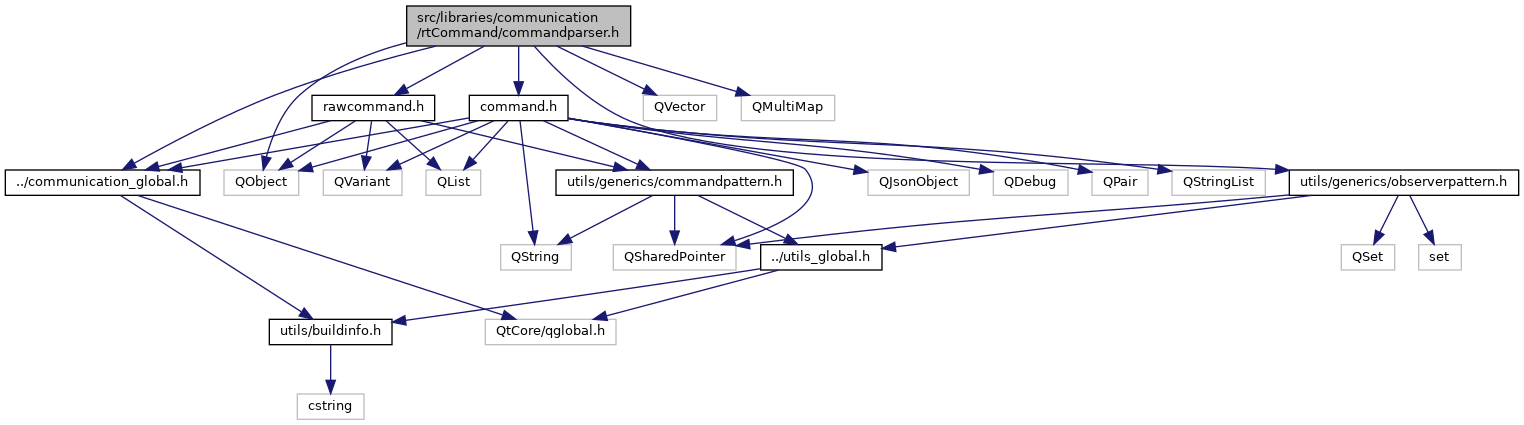
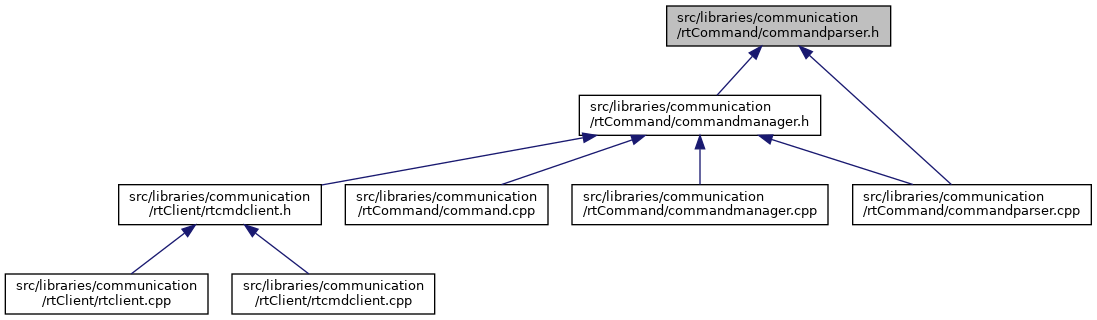
Go to the source code of this file.
Classes | |
| class | BIDSLIB::BIDSPath |
| BIDS-compliant path and filename construction. More... | |
Namespaces | |
| namespace | BIDSLIB |
| BIDS dataset reading, writing, path construction, and sidecar metadata handling for iEEG/EEG/MEG. | |
Functions | |
| bool | BIDSLIB::operator== (const BIDSPath &a, const BIDSPath &b) |
Programmatic construction and matching of BIDS-compliant directories, filenames and sidecar paths.
SPDX-License-Identifier: BSD-3-Clause Copyright (c) 2026 MNE-CPP Authors
The BIDS specification fixes both the directory layout (root/sub-XX/[ses-YY/]<datatype>/) and the <entity>-<value> ordering of the basename (sub, ses, task, acq, run, proc, space, rec, split, desc, then a _<suffix> and a .<ext>). BIDSLIB::BIDSPath is the value object that encodes those entities and emits canonical paths via BIDSPath::basename, BIDSPath::directory and BIDSPath::filePath, mirroring the API of mne_bids.BIDSPath in mne-python so call sites can be ported with minimal cognitive overhead.
Beyond serialisation, BIDSLIB::BIDSPath provides three orthogonal conveniences: BIDSPath::withSuffix and the dedicated channelsTsvPath / electrodesTsvPath / coordsystemJsonPath / eventsTsvPath / sidecarJsonPath helpers so a single BIDSLIB::BIDSPath instance can spawn every sidecar derived from a raw-data BIDSPath; BIDSPath::mkdirs to materialise the directory hierarchy lazily on write; and BIDSPath::match to enumerate actual on-disk files whose entity values complete the unset slots of the current path. Entity-value validation rejects the three characters BIDS forbids inside a label (-, _, /).
Spec: https://bids-specification.readthedocs.io/en/stable/common-principles.html#file-name-structure
Definition in file bids_path.h.
 1.16.1