

|
v2.0.0
|
Loading...
Searching...
No Matches
|
|
v2.0.0
|
Implementation of FiffRawData: continuous-recording representation backed by a directory of FIFF_DATA_BUFFER tags. More...
#include "fiff_raw_data.h"#include "fiff_events.h"#include "fiff_tag.h"#include "fiff_stream.h"#include "cstdlib"#include <stdexcept>#include <QElapsedTimer>#include <QDebug>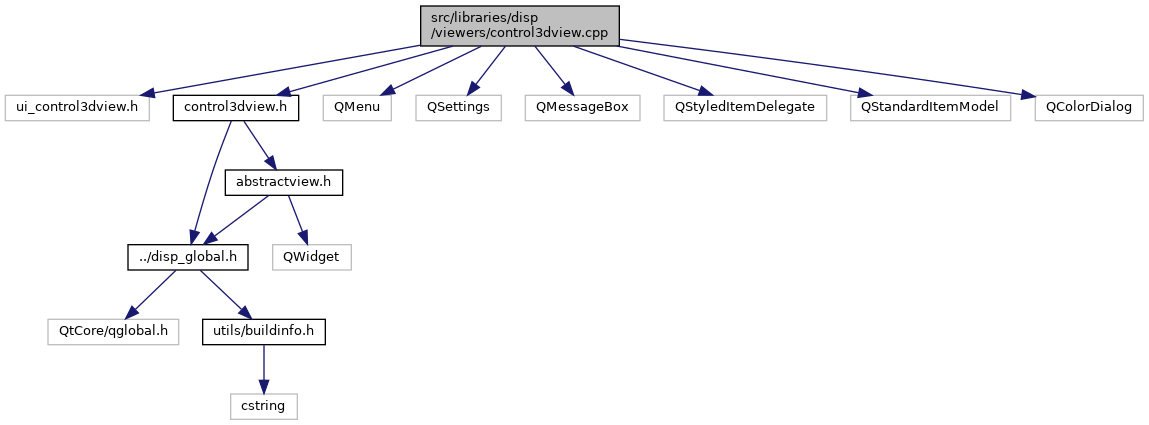
Go to the source code of this file.
Implementation of FiffRawData: continuous-recording representation backed by a directory of FIFF_DATA_BUFFER tags.
SPDX-License-Identifier: BSD-3-Clause Copyright (c) 2012-2026 MNE-CPP Authors
FiffRawData::read_segment uses the FiffRawDir directory to seek straight to the buffers that cover a requested sample window, decode them through the channel cals and active projectors and return a contiguous Eigen matrix.
Definition in file fiff_raw_data.cpp.
 1.16.1