

|
v2.0.0
|
Loading...
Searching...
No Matches
|
|
v2.0.0
|
Real-time source-estimate streaming controller that owns the data worker and the per-hemisphere interpolation workers. More...
#include "../disp3D_global.h"#include <QObject>#include <QSharedPointer>#include <QVector>#include <QList>#include <QString>#include <vector>#include <Eigen/Core>#include <Eigen/SparseCore>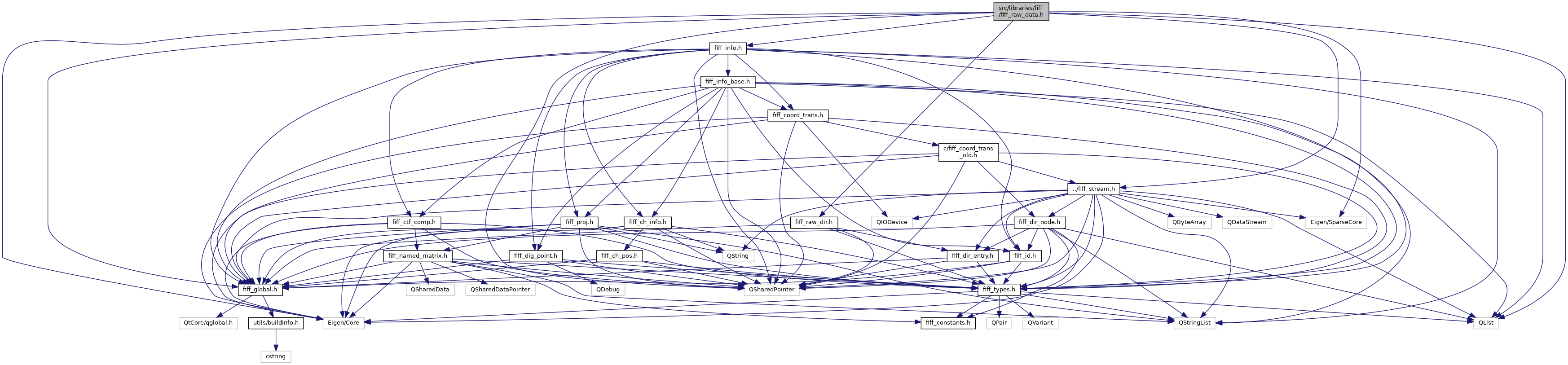

Go to the source code of this file.
Classes | |
| class | DISP3DLIB::RtSourceDataController |
| Controller for real-time source estimate streaming. More... | |
Namespaces | |
| namespace | FSLIB |
| FreeSurfer surface, annotation and parcellation I/O for mne-cpp. | |
| namespace | DISP3DLIB |
| 3-D brain visualisation using the Qt RHI rendering backend. | |
Real-time source-estimate streaming controller that owns the data worker and the per-hemisphere interpolation workers.
SPDX-License-Identifier: BSD-3-Clause Copyright (c) 2026 MNE-CPP Authors
RtSourceDataController bundles a DISP3DLIB::RtSourceDataWorker (queue, averaging, sparse mat-vec per hemisphere, colormap packing) with two DISP3DLIB::RtSourceInterpolationMatWorker instances (one per hemisphere) that recompute the sparse vertex-to-source weight matrix when surfaces, source vertices or the interpolation function change.
The GUI sees a single object: push source vectors with addData, scrub / play / loop via the streaming setters, and listen on newSmoothedDataAvailable for per-vertex colour buffers.
Definition in file rtsourcedatacontroller.h.
 1.16.1