

|
v2.0.0
|
Loading...
Searching...
No Matches
|
|
v2.0.0
|
TCP client for the mne_rt_server command port (4217): negotiates session state via line- or JSON-encoded messages.
More...
#include "../com_global.h"#include "../rt_command/command_manager.h"#include "../rt_command/command.h"#include <QDataStream>#include <QMutex>#include <QSharedPointer>#include <QString>#include <QTcpSocket>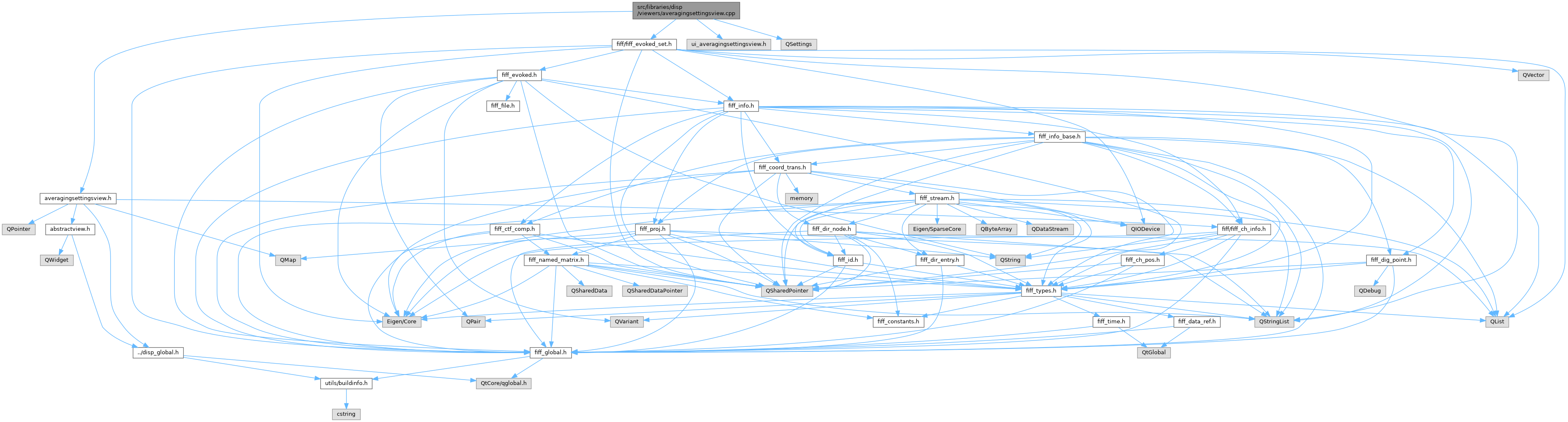
Go to the source code of this file.
Classes | |
| class | COMLIB::RtCmdClient |
QTcpSocket subclass driving the mne_rt_server control channel (default port 4217). More... | |
Namespaces | |
| namespace | COMLIB |
Real-time client/server communication primitives for talking to mne_rt_server. | |
TCP client for the mne_rt_server command port (4217): negotiates session state via line- or JSON-encoded messages.
SPDX-License-Identifier: BSD-3-Clause Copyright (c) 2026 MNE-CPP Authors
COMLIB::RtCmdClient is a QTcpSocket subclass that drives the server’s control channel. Two equivalent wire encodings are supported: plain CLI strings (newline-terminated tokens) for interactive shell use, and JSON command objects for programmatic clients. Both are produced from the same COMLIB::Command vocabulary so the help text, parameter list and reply parsing stay in lock-step regardless of which transport a caller picks.
The client maintains an internal COMLIB::CommandManager that is populated on demand by requestCommands(); after that round-trip the [] operator and hasCommand() expose the server’s self-described vocabulary so callers can ask, for example, client["start-measurement"] without hard-coding the parameter list locally. requestBufsize() and requestConnectors() are convenience wrappers around the corresponding server commands used during the COMLIB::RtClient handshake.
All socket reads are funnelled through waitForDataAvailable() and accumulated into m_sAvailableData, which readAvailableData() drains atomically under m_qMutex. The response(QString) signal fires whenever a complete reply has been collected so callers running in the GUI thread can react without polling the socket directly.
Definition in file rt_cmd_client.h.
 1.16.1