
|
v2.0.0
|
Loading...
Searching...
No Matches
|
|
v2.0.0
|
Population helpers (addSurface / addBemSurface / addSensors / addDipoles / addSourceSpace / addNetwork / addDigitizerData) for the disp3D scene model. More...
#include "braintreemodel.h"#include "model/items/surfacetreeitem.h"#include "model/items/bemtreeitem.h"#include "model/items/sensortreeitem.h"#include "model/items/dipoletreeitem.h"#include "model/items/sourcespacetreeitem.h"#include "model/items/digitizersettreeitem.h"#include "model/items/networktreeitem.h"#include <inv/dipole_fit/inv_ecd_set.h>#include <mne/mne_hemisphere.h>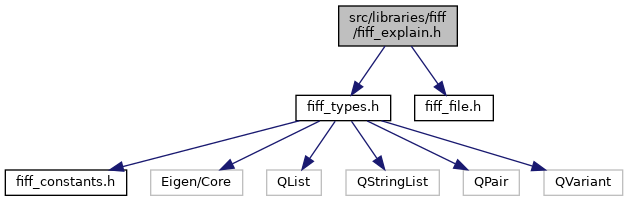
Go to the source code of this file.
Namespaces | |
| namespace | DISP3DLIB |
| 3-D brain visualisation using the Qt RHI rendering backend. | |
Population helpers (addSurface / addBemSurface / addSensors / addDipoles / addSourceSpace / addNetwork / addDigitizerData) for the disp3D scene model.
SPDX-License-Identifier: BSD-3-Clause Copyright (c) 2026 MNE-CPP Authors
Definition in file braintreemodel.cpp.
 1.16.1