

|
v2.0.0
|
Loading...
Searching...
No Matches
|
|
v2.0.0
|
Pre-processing front-end for HPI fitting — re-shapes raw MEG data, projectors and digitised coils into per-fit inputs. More...
#include "../inv_global.h"#include "inv_sensor_set.h"#include <fiff/fiff_dig_point_set.h>#include <fiff/fiff_dig_point.h>#include <QSharedPointer>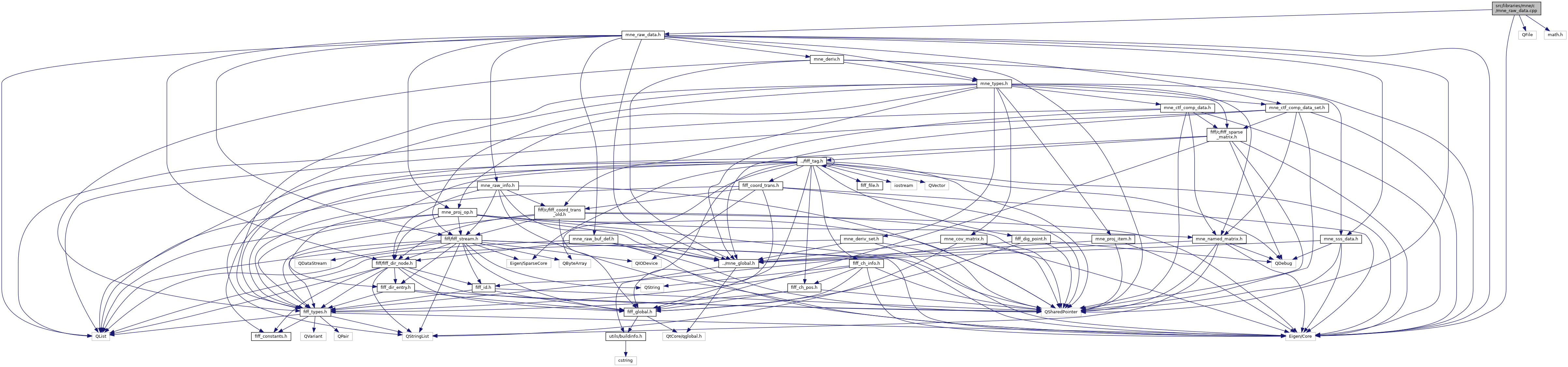
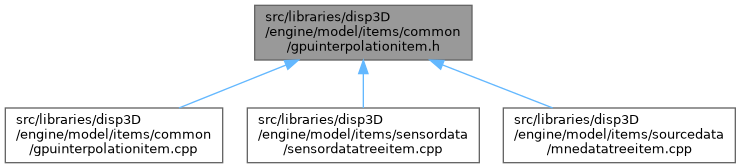
Go to the source code of this file.
Classes | |
| class | INVLIB::InvHpiDataUpdater |
| Preprocesses raw HPI coil data (SSP projection, compensation, sinusoidal model fitting) before dipole localization. More... | |
Namespaces | |
| namespace | FIFFLIB |
| FIFF file I/O, in-memory data structures and high-level readers/writers. | |
| namespace | INVLIB |
| Inverse source estimation (MNE, dSPM, sLORETA, dipole fitting). | |
Pre-processing front-end for HPI fitting — re-shapes raw MEG data, projectors and digitised coils into per-fit inputs.
SPDX-License-Identifier: BSD-3-Clause Copyright (c) 2026 MNE-CPP Authors
INVLIB::InvHpiDataUpdater isolates everything that has to happen before INVLIB::InvHpiFit can run on a new measurement block: re-deriving the good-channel list from the FiffInfo, slicing the SSP projector to those channels, projecting the data buffer, lifting the digitised HPI coil positions out of the dig-point list and rebuilding the INVLIB::InvSensorSet whenever the channel layout changes. The class caches the most recent state so consecutive HPI fits on the same configuration only re-run the steps that actually changed.
Definition in file inv_hpi_data_updater.h.
 1.16.1